
At live events, audience engagement is everything. Whether you’re unveiling a new product, creating an immersive brand activation, or making a splash at a trade show, the challenge remains the same: how do you craft an experience that truly stands out?
For many event planners and brand managers, cutting-edge visual technology is the answer. If you are weighing a hologram against a conversational option, see how an AI character compares with a hologram display. But with so many options – CGI, digital holograms, augmented reality, and motion capture avatars – choosing the right one can be daunting.
CGI (computer-generated imagery) is a go-to choice for many brands, thanks to its long-standing role in film, advertising, and virtual content. It’s stunning, scalable, and versatile – but in live events, it remains confined to screens. Digital holograms, on the other hand, create real-world, three-dimensional visuals that feel interactive, immersive, and alive.
Both have their place in event marketing, but they serve different purposes. So, what’s the difference between CGI and digital holograms? And which one is right for your next big activation?
What is CGI?
CGI (Computer-Generated Imagery) is graphics and visuals created digitally, often for films, video games, advertising, and virtual simulations. Hollywood blockbusters like Avatar, video games such as Fortnite, and photorealistic product ads use CGI to achieve those stunning visuals.
But CGI only exists on screens. While it can look hyper-realistic, it doesn’t physically exist in the real world – it’s always mediated by a display.
Where CGI Works Best
Cinema & Advertising: Photorealistic visuals for storytelling and product marketing.
Video Games: Dynamic, interactive environments where realism meets immersion. Augmented Reality (AR): Digital overlays in apps and AR experiences on mobile devices.
CGI is a powerful tool, but in live event settings, it can fall short – especially if the goal is real-world immersion.
- It’s confined to screens – While visually stunning, CGI remains a two-dimensional experience unless integrated with AR or VR, keeping audiences at a distance rather than drawing them in.
- Limited real-time interactivity – CGI animations can be pre-rendered or powered by game engines, but they often lack the spontaneous, real-world responsiveness that engages live audiences.
- Lacks spatial presence – Without a physical footprint, CGI exists as a digital overlay rather than a tangible, immersive element in the event space.

What Are Digital Holograms?
While CGI remains trapped behind a screen, digital holograms exist in physical space, allowing audiences to engage with 3D visuals in real-time.
Digital holograms use light-based projections or holographic displays to create 3D visuals that appear to float in mid-air. Some systems also integrate motion stream technology, allowing real-time interaction with audiences.
Instead of a pre-recorded CGI animation playing on a screen, a holographic brand ambassador walks, talks, and responds to attendees at your event in real-time. That’s the power of digital holograms.
Performit Live is a prime example of this technology in action. It enables brands to bring real-time, motion-streamed digital characters into live event spaces, allowing audiences to interact with virtual hosts, brand mascots, or spokespeople in a way that feels natural and engaging.
Unlike CGI-based animations that are pre-rendered, Camera One ensures that characters can react, respond, and interact dynamically, making brand activations feel personal and immersive.
Where Digital Holograms Shine
Trade Shows & Conferences – Real-time, interactive brand mascots or product demos that engage visitors.
Live Concerts & Entertainment – Holographic performances (e.g., ABBA Voyage, Tupac’s Coachella hologram).
Retail & Experiential Marketing – Floating 3D product showcases, interactive virtual assistants.
Things to Consider with Digital Holograms
- Requires specialist equipment (holographic projection tech, motion capture integration).
- More complex setup compared to CGI-based digital screens.
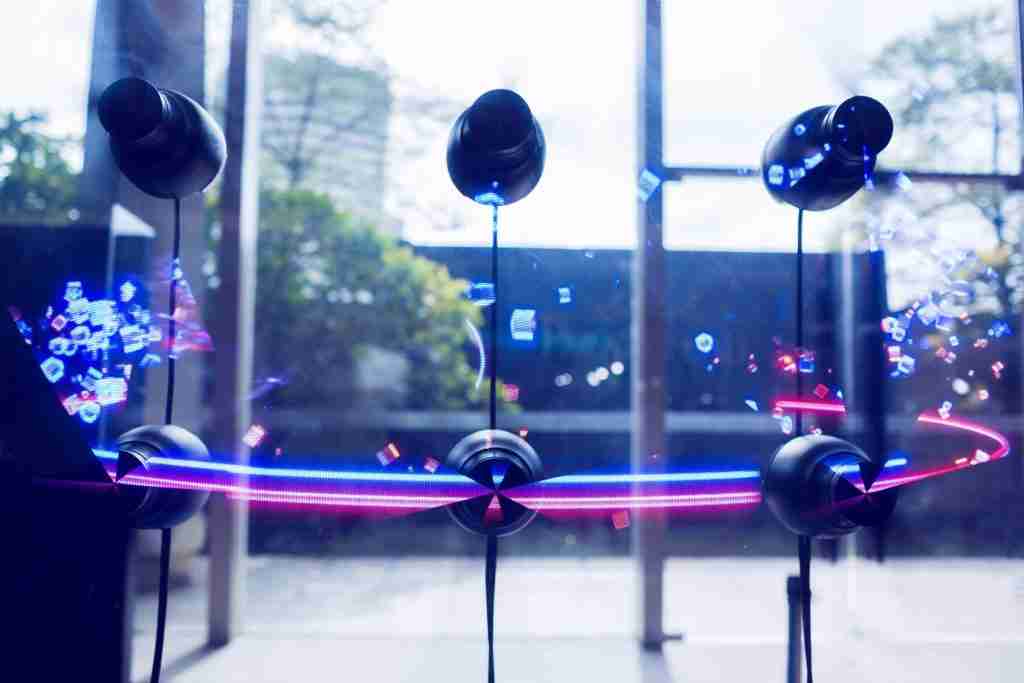
CGI vs. Digital Holograms: Which One is Right for Your Event?
| Factor | CGI | Digital Holograms |
| Interactivity | Pre-rendered or game-controlled | Real-time audience interaction |
| Presence | Screen-based (videos, AR apps) | Appears physically in real-world space |
| Use Case | Films, games, digital ads | Live events, trade shows, activations |
| Engagement | Viewers watch passively | Audiences engage actively |
| Wow Factor | High for visual quality | High for real-world immersion |
The choice between CGI and digital holograms comes down to how you want your audience to engage with your content. CGI is perfect for high-quality visuals on screens – great for promotional videos, virtual events, or AR-powered experiences. But if you want to create a real-world, immersive activation that captivates audiences in the physical space, digital holograms offer unmatched presence and interactivity.
Implementing Digital Holograms at Your Next Event
Step 1: Define Your Goal
Ask yourself: What do I want my audience to experience?
- Are you showcasing a new product?
- Do you want a branded character to engage with attendees?
- Are you looking to increase dwell time and interaction?
Step 2: Choose the Right Holographic Experience
There are multiple ways to bring holograms into your event:
- Holographic Brand Ambassadors – Live, interactive digital characters responding to attendees.
- 3D Product Displays – Holograms showcasing products in an eye-catching way.
- Gamified Experiences – Interactive holographic challenges to increase engagement.
Step 3: Maximise Impact with Real-Time Interaction
Pairing digital holograms with motion capture technology takes engagement to the next level. This allows characters to react, respond, and converse with attendees in real-time, making the experience truly immersive and memorable.
The Difference Between CGI and Digital Holograms
CGI will always have a place in advertising and digital media, but for live events, digital holograms are the next frontier. They don’t just entertain – they create real, interactive moments that draw audiences in, increase dwell time, and leave a lasting brand impression.
The key is bringing these elements to life in a way that captivates your audience and aligns with your brand’s vision.
At Performit Live, we specialise in creating immersive, interactive experiences that push the boundaries of live events. From hyper-realistic digital characters to dynamic motion streaming performances, we help brands harness cutting-edge technology to engage, excite, and leave a lasting impression.
Want to make your next event stand out? Let’s bring your vision to life. Request a demo today and let’s turn your ideas into an experience your audience will never forget.
Is your organisation ready to deploy an AI character?
Take the free AI Readiness Assessment. Score your venue on AI character readiness in 2 minutes. Personalised PDF report.